
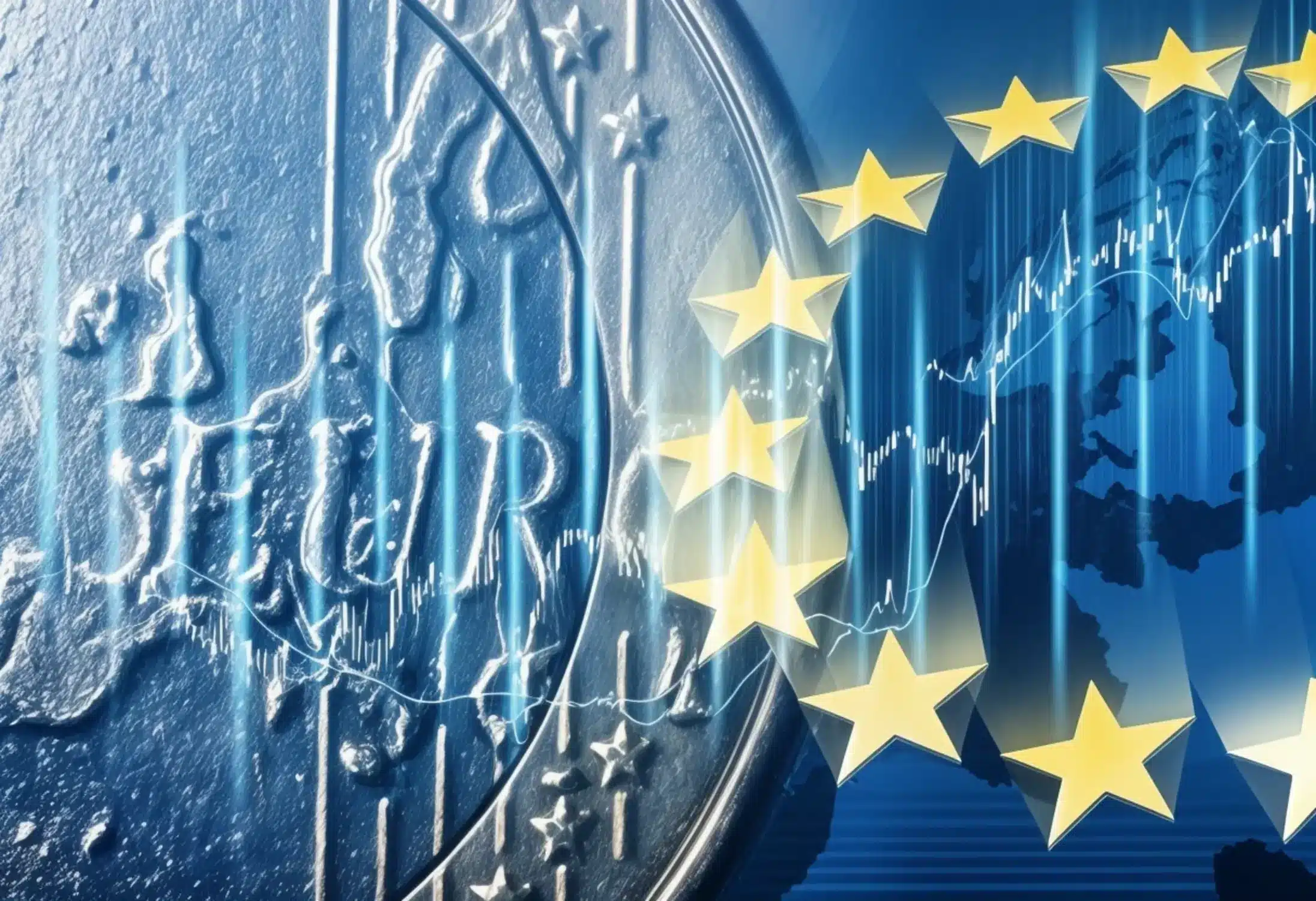
The implementation of EU MiCA regulations marks a pivotal shift in the crypto economy, affecting how cryptocurrencies are traded and monitored. This new legal framework not only aims to provide consumer protection but also compels the industry to adapt to increased scrutiny and compliance demands.
Understanding the Impact of EU MiCA Regulations
The Markets in Crypto-Assets (MiCA) regulations, introduced by the European Union, represent a landmark legal framework for the crypto asset market. This comprehensive set of regulations is designed to create a unified operational standard across EU member states, ensuring consumer protection and market integrity. As noted by European Business Magazine, MiCA specifically targets crypto exchanges and stablecoin issuers, requiring them to obtain licenses and adhere to strict operational guidelines. This intention to harmonize regulations aims to eliminate barriers and foster innovation within the crypto economy.
Key players involved in the shaping of these regulations include major cryptocurrency exchanges and financial institutions, all of whom have vested interests in the market’s evolution. Their goals range from enhancing consumer confidence to establishing clear compliance paths for business operations, with large companies like Coinbase and Kraken leading the charge for compliant frameworks.
The Role of Compliance in the Crypto Economy
Compliance under the MiCA regulations brings significant implications for how crypto exchanges operate. According to recent insights, exchanges must undergo stringent licensing processes to legally facilitate cryptocurrency transactions within the EU. This licensing procedure not only demands adherence to regulatory standards but also requires comprehensive reporting mechanisms for transaction data to ensure transparency and compliance with tax authorities. Such mandates can increase operational costs, especially for smaller exchanges and startups trying to navigate this complex regulatory landscape.
Compliance is not merely a checkbox exercise; it fosters trust among users by creating a safer environment for transactions. Consequently, firms that fail to comply risk heavy penalties, including fines that can significantly impact their financial viability. As highlighted by industry analysts, rigorous compliance often favors established players at the expense of emerging startups, therefore potentially leading to consolidation in the market.
Current Landscape of Cryptocurrency Regulations
Globally, the cryptocurrency regulatory environment is diverse and often fragmented. Regions like North America and Asia exhibit varying approaches to compliance and oversight. While the EU’s MiCA regulations offer a comprehensive framework, they contrast with jurisdictions that allow more freedom, which may result in a competitive advantage for those markets.
As stated in economic forecasts, the anticipated regulatory shifts could lead to a systemic change in how crypto operates worldwide, with increased pressure on other regions to revamp their frameworks to either provide similar protections or to attract businesses away from the EU by offering less stringent compliance. The increasing global focus on oversight may push decentralized finance (DeFi) products to adapt or risk becoming sidelined as regulators impose stricter guidelines.
Consumer Protection and Transparency Measures
One of the cornerstones of MiCA is enhancing consumer protection measures while promoting transparency in cryptocurrency operations. The regulations mandate that cryptocurrency platforms are accountable for user data reporting, creating a safety net for investors against fraud and misleading practices. Platforms must ensure that they adequately inform users about the risks associated with investing in cryptocurrencies, thereby increasing consumer awareness.
Moreover, the promotion of transparency through these regulations could help restore faith in the market, which has previously suffered from a lack of oversight. As some analysts note, the initiatives within MiCA aim to elevate public confidence to new heights by enforcing compliance and standardized practices across the spectrum of crypto operations.

Challenges for Startups in the Crypto Economy
While the MiCA regulations aim for a more structured environment in the crypto economy, they also pose significant challenges for startups. Many smaller firms voice concerns that compliance costs and operational demands may hinder their ability to innovate and compete in the market. Limits on fundraising, combined with regulatory hurdles, could increasingly drive consolidation, as the cost of compliance becomes unsustainable for smaller players.
The potential stifling of innovation in the crypto infrastructure due to rigid compliance requirements raises crucial questions about the long-term viability of diverse market players. The stark reality is that the cost of adherence to regulations like MiCA might push many startups toward exit strategies or mergers, significantly altering the industry’s landscape.
Significance of Increased Tax Reporting Regulations
Tax implications set by the MiCA regulations mark a significant shift for crypto investors. Under these regulations, crypto platforms will need to report user transaction data, which raises scrutiny on investors’ activities and positions. Projections indicate that tax audits on crypto holdings could increase by 70% by 2026, prompting investors to remain diligent about compliance.
With penalties for non-compliance potentially reaching fines of up to €5,000 for individuals who fail to report gains, stakeholders must prioritize understanding their obligations. The implications are profound, as they could affect investor sentiment and trading behaviors, fundamentally altering how enthusiasts approach the crypto economy moving forward.
Future Directions for the Crypto Economy
Looking ahead, the implementation of MiCA is likely to reshape how cryptocurrencies are traded and perceived across the European landscape. Established firms may reap benefits from the regulations as they adapt seamlessly, while emerging startups will need to develop strategies to navigate the evolving landscape more effectively. As the environment matures, market participants will likely need to collaborate and innovate to maintain competitiveness.
For stakeholders in the crypto economy, embracing compliance will be essential. The proactive adjustment to regulatory demands could set the foundation for a more sustainable future, enabling a thriving crypto landscape characterized by resilience and trust. The relationship between regulators, firms, and consumers will prove critical as they chart a collective course toward a well-regulated and transparent crypto economy.